The thesis

The Double Digital Speed turns social mobility into an asset.

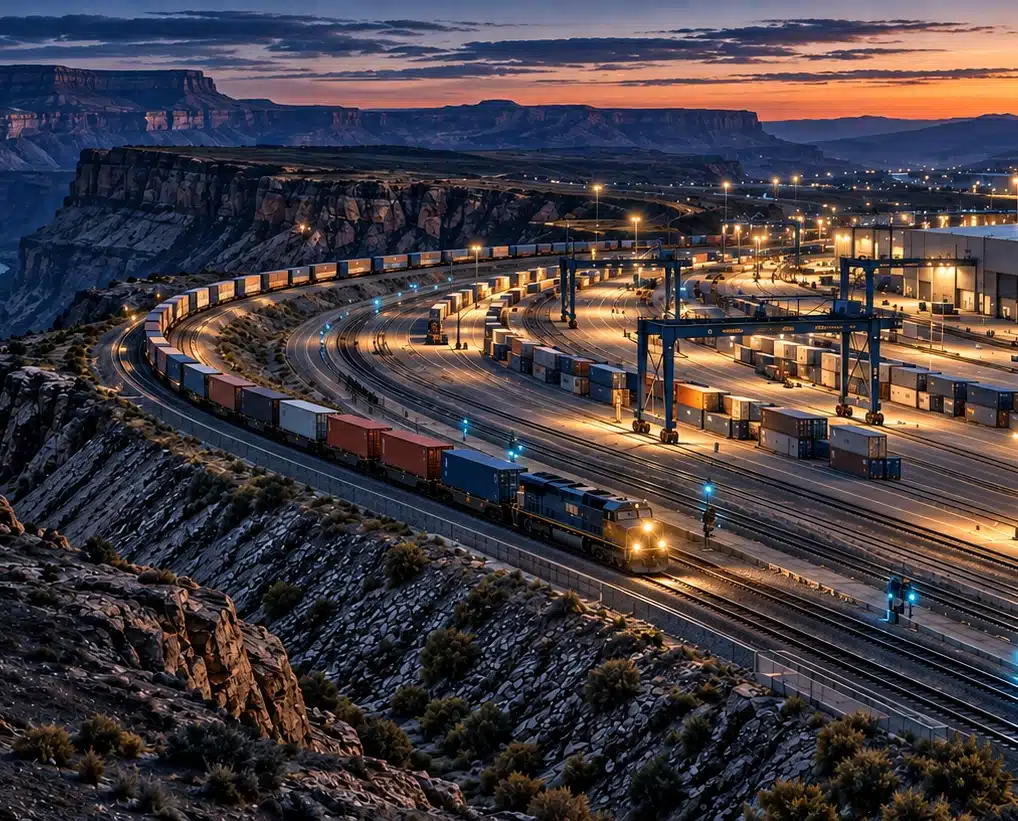
Hero 20260929 12 estuary infrastructure corridor
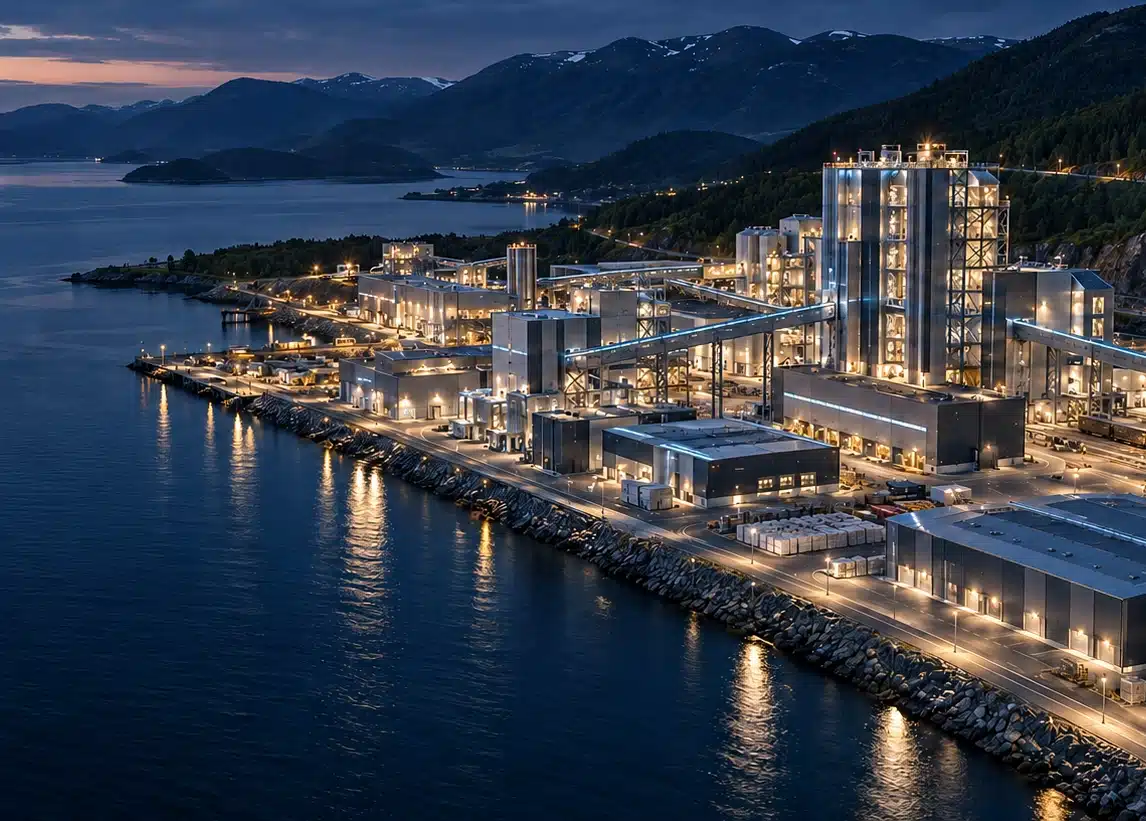
Hero 20260929 02 pumped storage amphitheater

The world no longer moves at a single pace. Digital infrastructure, the cloud and artificial intelligence deploy around robust power grids, tax incentives and stable cities, accelerating those already ahead. Everyone else receives the technological wave without the mechanisms to capture its value. We call this the Double Digital Speed.

The opportunity is clear: over the coming decade, the difference between a market that captures value and one that cedes it will not depend on whether it receives investment — it will — but on the quality of the intermediary negotiating between global capital and the local ecosystem. That role is vacant. That role is BTZ.

Where the gap between potential and reality is widest, so is the potential for risk-adjusted return with measurable impact.
Insights PI v4

Productive Infrastructure for Base Economies.

BTZ CAPITAL invests in real assets and structured debt designed to pursue financial returns while enabling measurable social development.
This thesis rests on a simple premise: infrastructure gaps in emerging economies — energy, minerals, and technology — are where risk-adjusted return and measurable impact can intersect most directly.

By channeling institutional capital into productive assets rather than speculative ones, BTZ seeks to build long-term value for investors while strengthening the economic base of the communities where it operates.

Every investment is underwritten against the BTZ standard: technical and legal solidity (BTZ-TECH), financial performance and bankability (BTZ-VALUE), and governance with measurable impact (BTZ-ZENITH) — so that returns and impact are approached as two outcomes of the same discipline, not as a trade-off.

All investments involve risk, including the possible loss of capital. Past performance is not indicative of future results.

Insights OA v5

From Obstacle to Advantage

Traditional capital avoids underserved markets because it reads their features as risks. BTZ structures them as opportunities. Absent infrastructure can become a long-term contracted asset; perceived risk can be reframed as an opportunity for return, with catalytic capital designed to help mitigate downside; informality can become new formal flows and data. Each apparent disadvantage may become the source of a hard-to-replicate edge.

Confluence sharp v2

Position yourself before the gap closes.